

Herbs
MOUNTAIN ARNICA
A species of plant of the Ostaceae family; known as mountain arnica or arnica; the species is under strict protection.
Health: has anti-inflammatory and antiseptic properties; used in bruises and swelling as well as oral cavity diseases; it stimulates blood supply and facilitates the absorption of petechiae; reduces arthritic pains; should not be applied to damaged skin.
Features: popular in creams and lotions to strengthen bursting blood vessels; has anti-inflammatory properties, soothes irritations, cleanses the skin.
Folk beliefs: placed on the edges of fields and in windows protects belongings from lightning strikes.

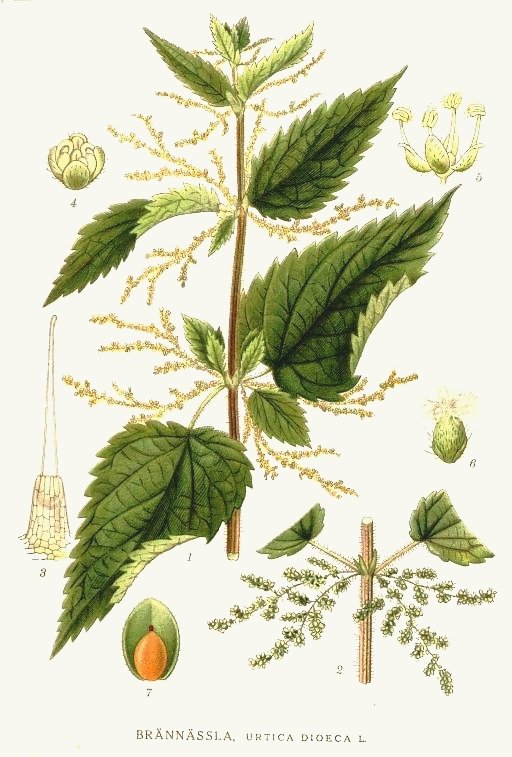
COMMON NETTLE
A Perennial of the nettle family; also known as a stinging nettle or nettle leaf.
Health: has a beneficial effect on the digestive system, cleanses the blood, rejuvenates, encourages weight loss, has a diuretic effect.
Features: used in lotions and shampoos, it prevents dandruff and hair loss.
Cuisine: addition to salads, cocktails, is the main ingredient of soups and pesto (high content of vitamins in the leaves of a young nettle).
Folk beliefs: protects farms from enemies and evil forces.
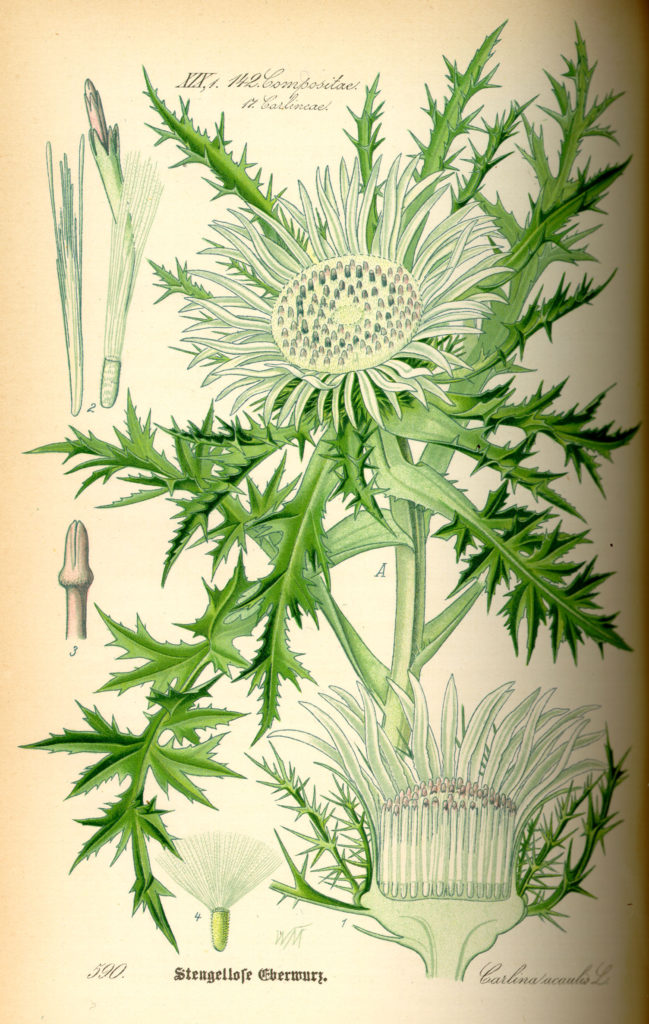
STEMLESS CARLINE THISTLE
A Species of the Asteraceae family. Partially protected since 2014.
Health: aids digestion, has bactericidal, diaphoretic, diuretic and antipyretic properties. Consumption of too large amounts has a laxative effect and results in vomiting.
Cuisine: the bottom of the flower pseudanthium is eaten like an artichoke.
Folk beliefs: placed in a child’s cradle, it protected against charms and soothed; given to cows and sheep after calving – provided good and healthy milk.
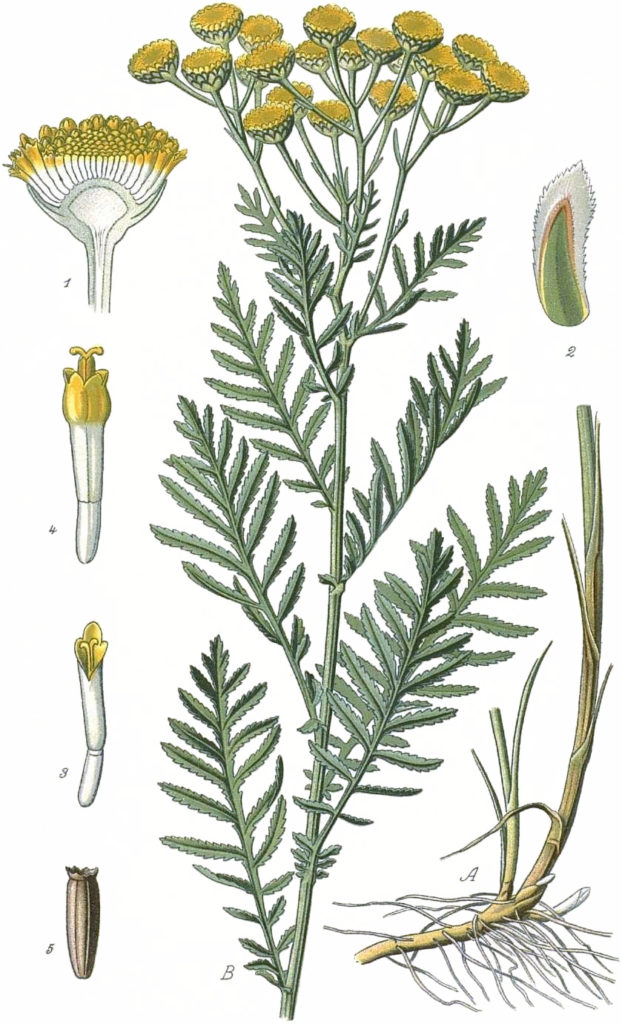
COMMON TANSY
Species of the Asteraceae family; also called musk, bitter buttons or milkweed.
Health: an addition to rinses for problem skin with inflammation and parasites (scabies, lice); not recommended to use internally (flowers contain toxic thujone).
Cuisine: Used as a spice in the Middle Ages; flower pseudanthiums were baked in dough, and young buds were used instead of capers.
Folk beliefs: dried herbs were placed in church prayer book (prevents falling asleep during a boring sermon); on the Eve of St. Adalbert, incensing cows with holy tansy guards them from charms; flower wreath hung on the wall of the house protects against lightning.
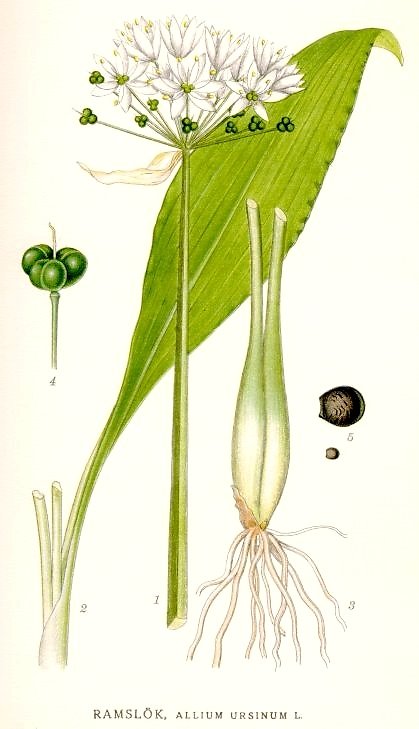
WILD GARLIC
Species of the garlic subfamily of the amarylliaceae family; also called wild, forest or gypsy garlic; after waking up in winter, bears searched for and ate the leaves of the plant in order to strengthen themselves and gain power – hence the name.
Health: fungicidal and bactericidal effect; lowers pressure, regulates the work of the stomach, supports the respiratory and immunity system.
Features: has a positive effect on strengthening the skin, hair, and nails.
Cuisine: an addition to soups and salads; suitable for pickling in olive oil.
Folk beliefs: protects against charms, slander, and bad people.
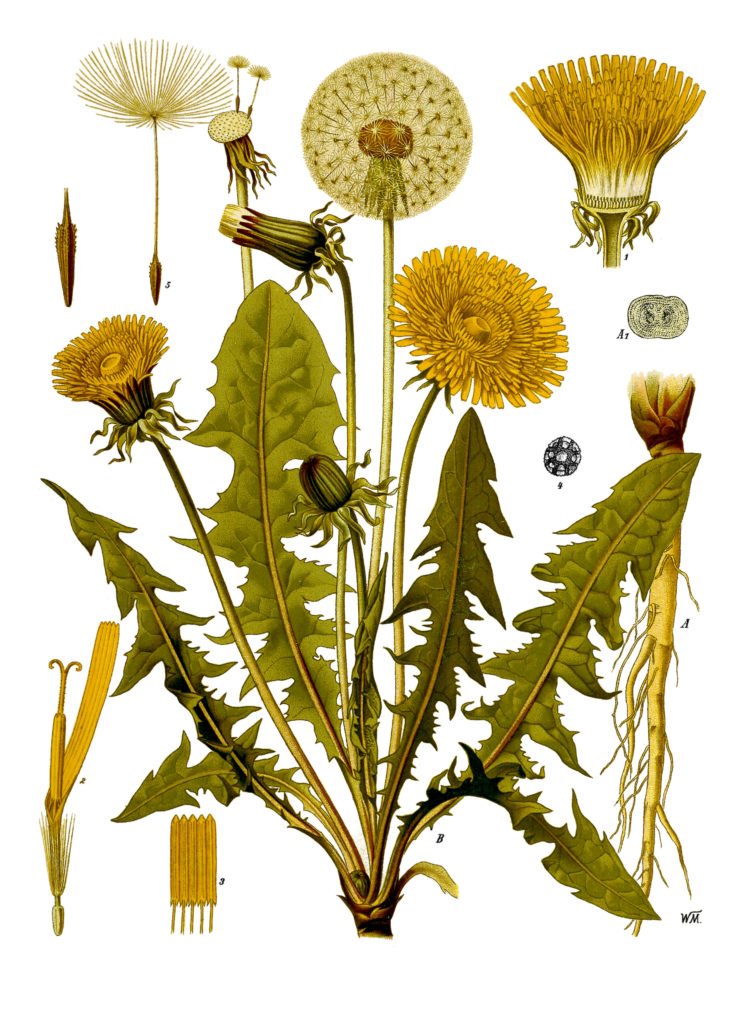
COMMON DANDELION
Perennial of the Asteraceae genus; also known as dandelion, bud, lion’s or wolf’s tooth.
Health: supports the work of the digestive and urinary systems, helps lower blood sugar levels, has anti-inflammatory and antioxidant effects.
Features: has a beneficial effect on dry and aging skin.
Cuisine: melliferous plant; leaves are used as an addition to salads and soups, roasted roots used as a substitute for coffee.
Folk beliefs: dug out on the feast of St. Bartholomew before sunrise, seven dandelion roots were worn in a bag as an amulet to protect against charms.